📑 Índice
- Por qué el Parque de Animales Salvajes es la atracción subestimada de Pudong
- Entender las entradas del Parque de Animales Salvajes
- Ventajas para huéspedes del hotel en el parque
- El transporte gratuito y cómo planificar tu día
- El itinerario de la mañana — desde la apertura hasta las 13:00
- Opciones de almuerzo dentro del parque
- El programa de la tarde — 13:00 a 17:00
- Combinar el Parque de Animales Salvajes con Disneyland
- Un itinerario de 1 día listo para copiar y pegar
- Preguntas frecuentes
🦁 Por qué el Parque de Animales Salvajes es la atracción subestimada de Pudong
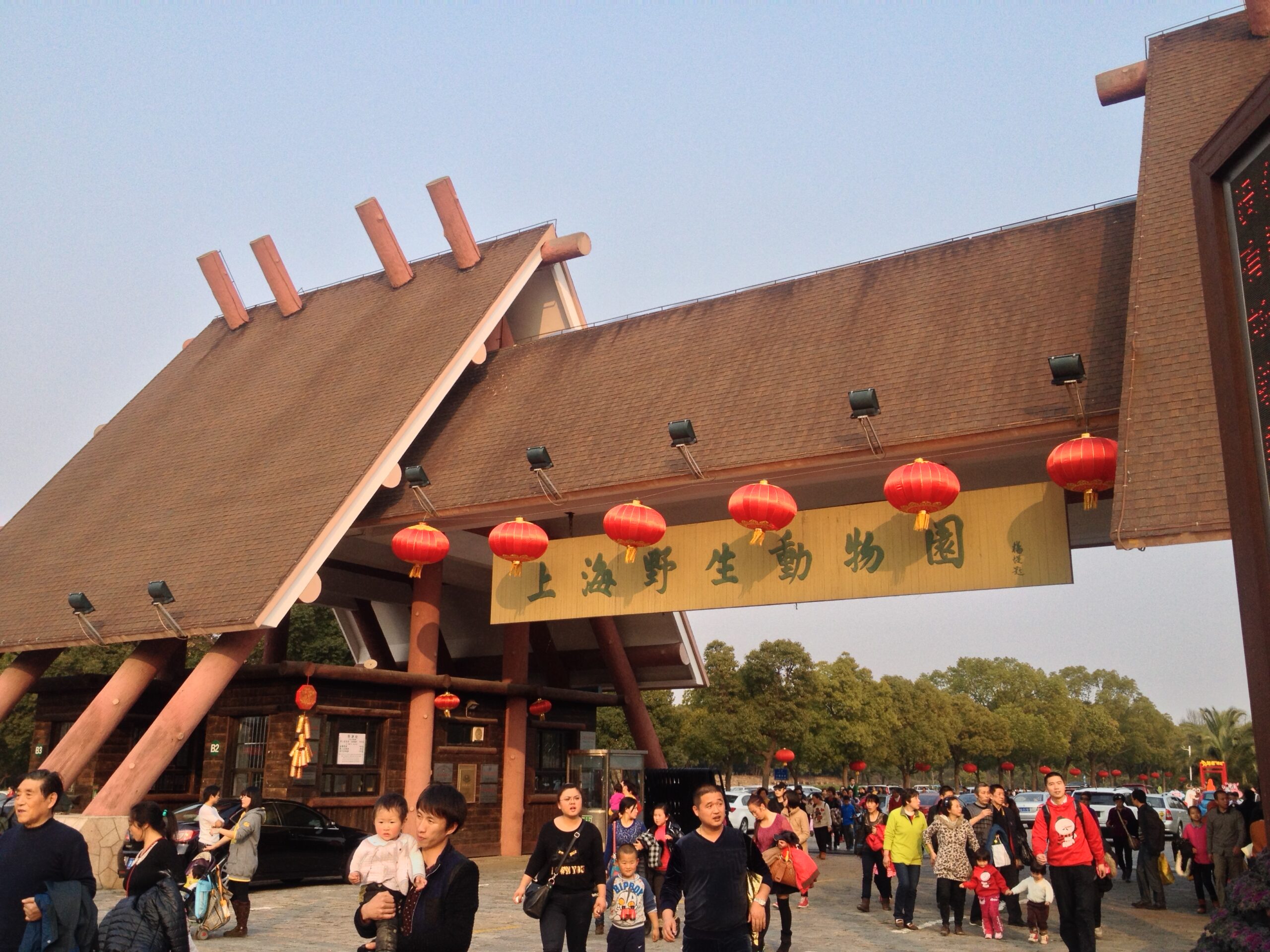
El Parque de Animales Salvajes de Shanghái es la atracción principal más subestimada del Nuevo Distrito de Pudong. Aunque todos los visitantes internacionales en Shanghái han oído hablar de Disneyland, el Parque de Animales Salvajes es menos conocido fuera de China pero es genuinamente uno de los mejores parques de vida silvestre del país. Cubre 1,53 millones de metros cuadrados (aproximadamente cuatro veces el tamaño de Shanghai Disneyland), alberga más de 10.000 animales de más de 400 especies, e incluye la mayor colección de pandas gigantes de China fuera de Chengdú, el único tigre del sur de China criado con éxito en cautiverio en el mundo, y una gran zona de sabana africana en semilibertad.
Para los huéspedes del Hotel Heyitang, el Parque de Animales Salvajes es también la más fácil de las dos principales atracciones de Pudong. Está a 3,9 km del hotel — un trayecto de 10 minutos en transporte versus los 25 minutos al parque de Disneyland — y el parque está menos concurrido, es menos costoso y más relajado. Una familia que hace Disneyland el Día 1 de una estancia de 3 noches y el Parque de Animales Salvajes el Día 2 tiene el itinerario perfecto de Pudong, y el contraste entre las dos experiencias (una un parque temático de alta intensidad, la otra un tranquilo parque de vida silvestre) es parte de lo que hace que la combinación funcione.
Este artículo es la guía que doy a los amigos que quieren combinar una estancia en el Hotel Heyitang con una excursión de un día al Parque de Animales Salvajes de Shanghái. Cubre el transporte, las entradas, las exhibiciones imperdibles en el orden correcto, dónde comer, y la estrategia que te devuelve a la piscina del hotel a media tarde sin prisas.
🎟️ Entender las entradas del Parque de Animales Salvajes
Hay tres categorías de entradas para el Parque de Animales Salvajes de Shanghái. Los precios a continuación son las tarifas publicadas para 2026; los huéspedes del hotel obtienen un pequeño descuento al comprar a través del conserje del Hotel Heyitang.
| Entrada | Adulto | Niño (1,0–1,4 m) | Incluye |
|---|---|---|---|
| Entrada estándar de día | CNY 200 | CNY 100 | Entrada al parque, todas las exhibiciones de animales, senderos peatonales, el recorrido en autobús por la zona de semilibertad (un viaje), todos los espectáculos de animales |
| Entrada de dos días | CNY 320 | CNY 160 | Igual que la anterior, válida por dos días consecutivos (una entrada por día) |
| Paquete VIP | CNY 380 (extra) | CNY 380 (extra) | Salto de fila para el recorrido en autobús, guía privado en inglés por 3 horas, asientos reservados en los espectáculos de animales |
Los niños menores de 1,0 metros entran gratis. Los niños de 1,0 a 1,4 metros pagan la tarifa infantil. Los adultos y niños mayores de 1,4 metros pagan la tarifa de adulto. Los mayores de 65 años obtienen un 25% de descuento.
Para la mayoría de las familias, la entrada estándar de día es suficiente. La entrada de dos días solo tiene sentido si quieres recorrer el parque a un ritmo muy pausado con niños pequeños. El paquete VIP de salto de fila vale la pena en un fin de semana de temporada alta — ahorrarás 90 minutos de cola para el recorrido en autobús — pero en temporada media (marzo, noviembre) las colas son lo suficientemente cortas como para omitirlo.
El recorrido en autobús por la zona de semilibertad es la experiencia principal del parque. Un autobús con jaula te lleva a través de una zona de 30 hectáreas donde leones, tigres, osos, jirafas, cebras y rinocerontes deambulan libremente alrededor del autobús. Los animales se acercan directamente a la jaula y puedes alimentarlos a través de las barras (el autobús proporciona zanahorias y plátanos, CNY 20 por bolsa). Esta es la actividad más fotografiada del parque.
🏨 Ventajas para huéspedes del hotel en el Parque de Animales Salvajes
El Hotel Heyitang no tiene una asociación formal con el Parque de Animales Salvajes de la misma manera que la tiene con Disneyland, pero el hotel ofrece tres ventajas prácticas:
🚌 Transporte gratuito al Parque de Animales Salvajes — 09:00 desde el vestíbulo del hotel, llegada a la entrada principal del parque. Regreso a las 16:00. Trayecto de 10 minutos en cada dirección. Reservar en recepción la noche anterior.
🎟️ Entradas con descuento — el conserje del hotel vende entradas aproximadamente CNY 20 más baratas que el sitio web oficial del parque, y puedes pagar en efectivo o con Alipay sin necesidad de la aplicación oficial del parque.
🎒 Consigna de equipaje — útil si tienes un vuelo tardío y quieres visitar el parque el día de tu salida. Gratis para huéspedes del hotel; el servicio de equipajes guardará tus maletas hasta las 22:00.
🚌 El transporte gratuito y cómo planificar tu día
El transporte del hotel al Parque de Animales Salvajes funciona una vez en cada dirección por día:
Ida: Vestíbulo del hotel, 09:00 en punto → Entrada principal del Parque de Animales Salvajes, 09:10.
Vuelta: Entrada principal del Parque de Animales Salvajes, 16:00 en punto → Vestíbulo del hotel, 16:10.
El transporte es un autocar de 24 asientos. Se requiere reservación en recepción antes de las 21:00 de la noche anterior.
La llegada del transporte de las 09:00 está bien coordinada con la apertura del parque a las 09:30. Esté en el punto de embarque 5 minutos antes; el conductor sale puntualmente. El regreso de las 16:00 te da 6,5 horas dentro del parque, que es el tiempo adecuado para ver todas las exhibiciones principales a un ritmo cómodo. Si quieres quedarte más tiempo en el parque (el parque cierra a las 17:00 en verano, 16:30 en invierno), la alternativa es un DiDi (CNY 18, 10 minutos) o la línea 16 del metro desde la estación Wild Animal Park hasta Huinan (5 minutos, CNY 3).
🎯 Estrategia: haz el Parque de Animales Salvajes el Día 2 de tu viaje a Pudong — el día después de Disneyland. La mayoría de los visitantes hacen Disneyland primero (la atracción principal), luego el Parque de Animales Salvajes como la experiencia más relajada del segundo día. El contraste es genuinamente reparador — un tranquilo parque de vida silvestre después de un día frenético en un parque temático.
🌅 El horario de la mañana — desde la apertura hasta las 13:00
Como todos los parques de vida silvestre, los animales están más activos en las primeras tres horas después de la apertura (09:30–12:30). Los grandes felinos se alimentan a las 10:00, los elefantes tienen su baño a las 11:00, los pandas están más activos con el sol de la mañana. Para las 14:00 el calor ha aumentado y la mayoría de los animales duermen a la sombra.
Este es el horario de la mañana que he perfeccionado a lo largo de los años:
09:00 — Shuttle del hotel desde el vestíbulo del Heyitang Hotel.
09:10 — Llegada a la entrada principal del Parque de Animales Salvajes. Recoge las entradas reservadas con antelación en el conserje del hotel para evitar la cola en la puerta.
09:30 — El parque abre. Camina directamente al área de embarque del recorrido en autobús — está en el lado este del parque, a unos 200 metros de la entrada. El primer autobús sale a las 09:40 y la cola se forma rápidamente.
09:40 — Board the caged bus for the 35-minute tour of the free-range zone. The bus passes through the African savannah zone (giraffes, zebras, ostriches, rhinos), the Asian zone (deer, antelope, water buffalo), the bear zone, and the tiger and lion zone. Buy a bag of carrots at the bus boarding area (CNY 20) — feeding the giraffes through the cage bars is the highlight of the tour.
10:30 — After the bus tour, walk directly to the White Tiger Mountain. The white tigers are fed at 10:45 and you want to be at the viewing platform by 10:40 to get a front-row spot. This is the most photographed moment in the park.
11:15 — Camina al Giant Panda House. The park has 6 giant pandas (the second largest collection in China outside Chengdu) and 12 red pandas. The pandas are taken out for the morning sun between 11:00 and 12:00; this is the only time of day they are active.
11:45 — Camina al Elephant Bath Time at the Asian elephant pool. Two adults and one calf are bathed by their keepers; you can stand about 5 metres away. The calf is the star.
12:15 — Walk through the African Savanna pedestrian zone — giraffes, zebras, ostriches, rhinos. The giraffe feeding station (CNY 30 for a handful of leaves) opens at 12:00.
13:00 — Almuerzo.
🥢 Lunch options inside the park
Food inside the Wild Animal Park is better than at most Chinese wildlife parks, but it is still theme-park food. There are three realistic options:
🐼 Panda Restaurant — the largest restaurant in the park, seating 500, with a buffet (CNY 88 adult, CNY 48 child) and an à la carte menu of Cantonese classics. The buffet is fine — noodles, fried rice, dim sum, a salad bar, fruit. Worth doing if you are too tired to take the shuttle back to the hotel.
🍔 Safari Snack Bar — three kiosks scattered around the park, selling burgers, hot dogs, fries, and ice cream. Cheap (CNY 28–48 per item) but not memorable.
🍱 Hotel picnic box — order the night before from the Heyitang Hotel concierge. CNY 68 for two people; includes sandwiches, fruit, juice and a pastry. Eat on a bench in the African Savanna zone — a much nicer lunch than the Panda Restaurant and slightly cheaper.
Mi recomendación: take the shuttle back to the hotel and eat at the hotel buffet (CNY 58 if not included in your room rate, served 12:00–14:00 on request). It costs the same as the Panda Restaurant buffet and is substantially better food. The round trip is 20 minutes including the shuttle — but you also get a 30-minute rest by the hotel pool, which is the right way to break up a 7-hour park day. This is the strategy I use every time.
🌆 The afternoon schedule — 13:00 to 17:00
The afternoon is when the shows happen and the crowds peak. The schedule below is the typical summer schedule (June–August); other seasons have shows 30 minutes earlier.
🎭 14:00 — Animal Stars Show at the outdoor theatre. 25 minutes of trained macaques, parrots, sheep and a llama performing tricks. Loud and family-friendly. Book a free seat by collecting a ticket at the theatre entrance at 13:00.
🐘 15:00 — Elephant Feeding & Bathing Show at the Asian elephant enclosure. Not a show exactly — the keepers feed and bathe the elephants and answer questions over a microphone. Less crowded than the morning bath; good for photos.
🦜 16:00 — Parrot Free Flight Show at the Parrot Pavilion. The park’s most popular show — 25 macaws and cockatoos flying over the audience in formation. Standing room only; arrive 15 minutes early.
🦛 16:30 — Hippo Feeding at the hippo enclosure. Quick and unmissable — the hippos walk out of their pool and open their mouths for watermelon. 15 minutes.
🐂 16:45 — Walking through the Swan Lake zone on the way to the park exit. A peaceful end to the day — black swans, white swans, pelicans, and a small colony of flamingos. The path is shaded and uncrowded in the late afternoon.
🚌 17:00 — The park closes. Take the DiDi or Line 16 metro back to the hotel (the hotel shuttle leaves at 16:00 — if you stay for the late afternoon shows, you miss it).
17:15 — Arrive back at the hotel.
🔀 Combining the Wild Animal Park with Disneyland
For most visitors, the Wild Animal Park is a Day 2 activity after a Day 1 Disneyland trip. The combination works because the two experiences are so different — Disneyland is high-octane, loud, hot, crowded; the Wild Animal Park is slower, shadier, calmer. After 12 hours at Disneyland, a 7-hour day at the wildlife park feels genuinely restful, and the children who were exhausted at 18:00 the day before are re-energised by the morning bus tour.
For visitors with only one day in Pudong, the Wild Animal Park is the better choice for families with children under 6 (Disneyland is too overwhelming for that age), for budget travellers (the Wild Animal Park costs half as much), and for anyone who has been to other Disney parks and wants something different. For first-time visitors with older children, Disneyland is the priority; the Wild Animal Park is the secondary activity.
If you have 3 nights at Heyitang Hotel and want to do both, the recommended pattern is:
- Day 1 — Arrival, settling in, Disneyland
- Day 2 — Wild Animal Park, return to hotel, afternoon pool
- Day 3 — Free morning, Nanhui Peach Blossom Village (in March) or the Pudong History Museum (any season), afternoon departure
This pattern covers the headline attractions with a built-in rest day in the middle, and is the trip I recommend most often to first-time visitors.
📋 A copy-paste 1-day itinerary
| Hora | Actividad | Wait |
|---|---|---|
| 08:50 | Be at the Heyitang Hotel lobby | — |
| 09:00 | Shuttle to Wild Animal Park | 10 min |
| 09:30 | Park opens — straight to bus tour boarding | — |
| 09:40 | Bus tour of free-range zone (35 min, feed giraffes) | 10 min queue |
| 10:30 | Walk to White Tiger Mountain | 5 min walk |
| 10:45 | White tiger feeding | 15 min |
| 11:15 | Walk to Giant Panda House | 5 min walk |
| 11:30 | Pandas in morning sun | 30 min |
| 12:00 | Walk to Asian elephant pool | 5 min walk |
| 12:15 | Elephant bath time | 15 min |
| 12:45 | Walk through African Savanna pedestrian zone | 30 min |
| 13:15 | Lunch — return to hotel for buffet (or Panda Restaurant in park) | — |
| 14:30 | Return to park | 10 min shuttle |
| 14:45 | Animal Stars Show | — |
| 15:30 | Elephant feeding show | — |
| 16:00 | Parrot Free Flight Show | — |
| 16:45 | Walk through Swan Lake zone to exit | — |
| 17:00 | Park closes — DiDi or Line 16 to hotel | 15 min |
| 17:15 | Arrive at hotel — pool, late lunch, rest | — |
❓ Preguntas frecuentes
Can I do the Wild Animal Park in half a day?
Yes — the morning-only visit (09:30 to 13:00) covers the bus tour, the white tigers, the pandas and the elephant bath. The afternoon shows are nice but not essential. If you are short on time, do the morning and use the afternoon for the hotel pool.
Is the bus tour safe for young children?
Yes — the bus is a caged coach with secure seating. Children under 3 should sit on a parent’s lap; children 3+ can sit in their own seat. The cage bars are too narrow for a child to put their hands through, so there is no risk of touching the animals. The feeding (carrots and bananas through the bars) is supervised by a keeper on the bus.
Are there any animal shows I should avoid?
The “Animal Stars Show” at 14:00 includes performing macaques and is the most controversial show at the park from an animal-welfare perspective. If this is a concern for you, skip it and use the time for the walking trails in the African savanna zone instead.
Can I bring food and drink into the park?
Yes — there is no bag check for food. Bring water and snacks. Glass containers are not allowed. There are free water refill stations throughout the park.
What if it rains?
The bus tour runs in light rain but stops in thunderstorms. Most animal exhibits have covered viewing areas. The shows at the outdoor theatre are cancelled in heavy rain. Bring a poncho — umbrellas are impractical in the crowds.
Is the park wheelchair and stroller accessible?
Yes — every path is paved and the bus has a wheelchair lift. Strollers (CNY 50 per day) and wheelchairs (CNY 100 per day) can be rented at the park entrance. The Heyitang Hotel also lends strollers free for hotel guests.
How early should I book the hotel shuttle?
Reserve at check-in for the next morning. On weekends, Chinese public holidays and summer school holidays, the shuttle fills up the night before — book at check-in to guarantee your seat. On shoulder-season weekdays, you can usually get a seat the same morning.